
Traditional Braces
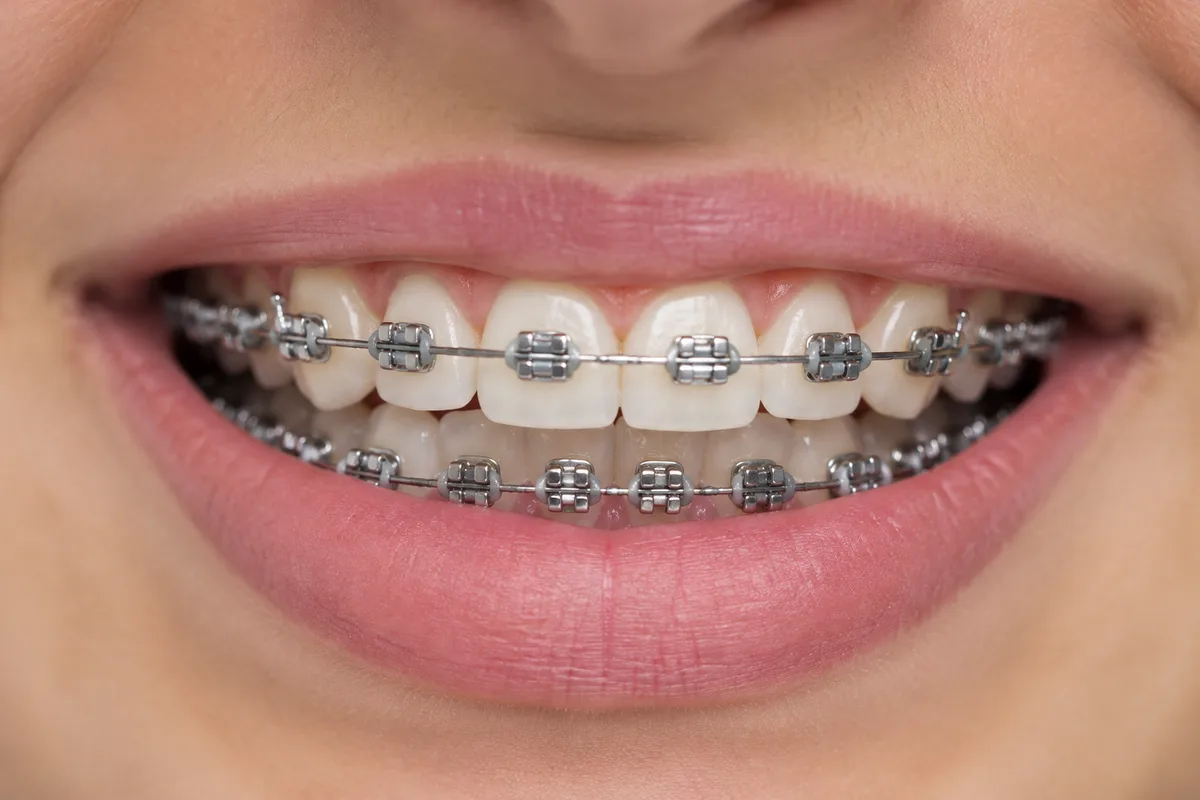
Traditional Braces
Traditional braces use metal brackets and wires to gradually move teeth into better alignment. They remain a reliable, well-understood option for correcting crowding, spacing, and bite irregularities in both children and adults, and they can be adjusted with precision throughout treatment as teeth respond.
How Traditional Braces Help
- Alignment — brackets and wires apply steady pressure to shift crowded or spaced teeth into position.
- Bite Correction — braces can help address overbites, underbites, and crossbites by guiding tooth and jaw relationships over time.
- Durability — the fixed nature of traditional braces means they stay in place for the full course of treatment without patient removal.
Our Approach
Dr. Jeremy Montrose provides orthodontic care with attention to how tooth movement relates to jaw development, airway, and overall function, not alignment alone. When traditional braces are the right fit for a patient's needs, treatment planning considers how the bite and jaw structure work together, not just how the teeth look.
Who Considers Traditional Braces
- Children and Teens — often used once permanent teeth have erupted to guide long-term alignment.
- Adults — a straightforward option for correcting alignment issues at any age.
- Complex Cases — sometimes preferred when significant tooth movement is needed.
This content is for general information only and isn't dental or medical advice. Talk with your dentist or orthodontist about your own situation. If you have a medical emergency, call 911.